
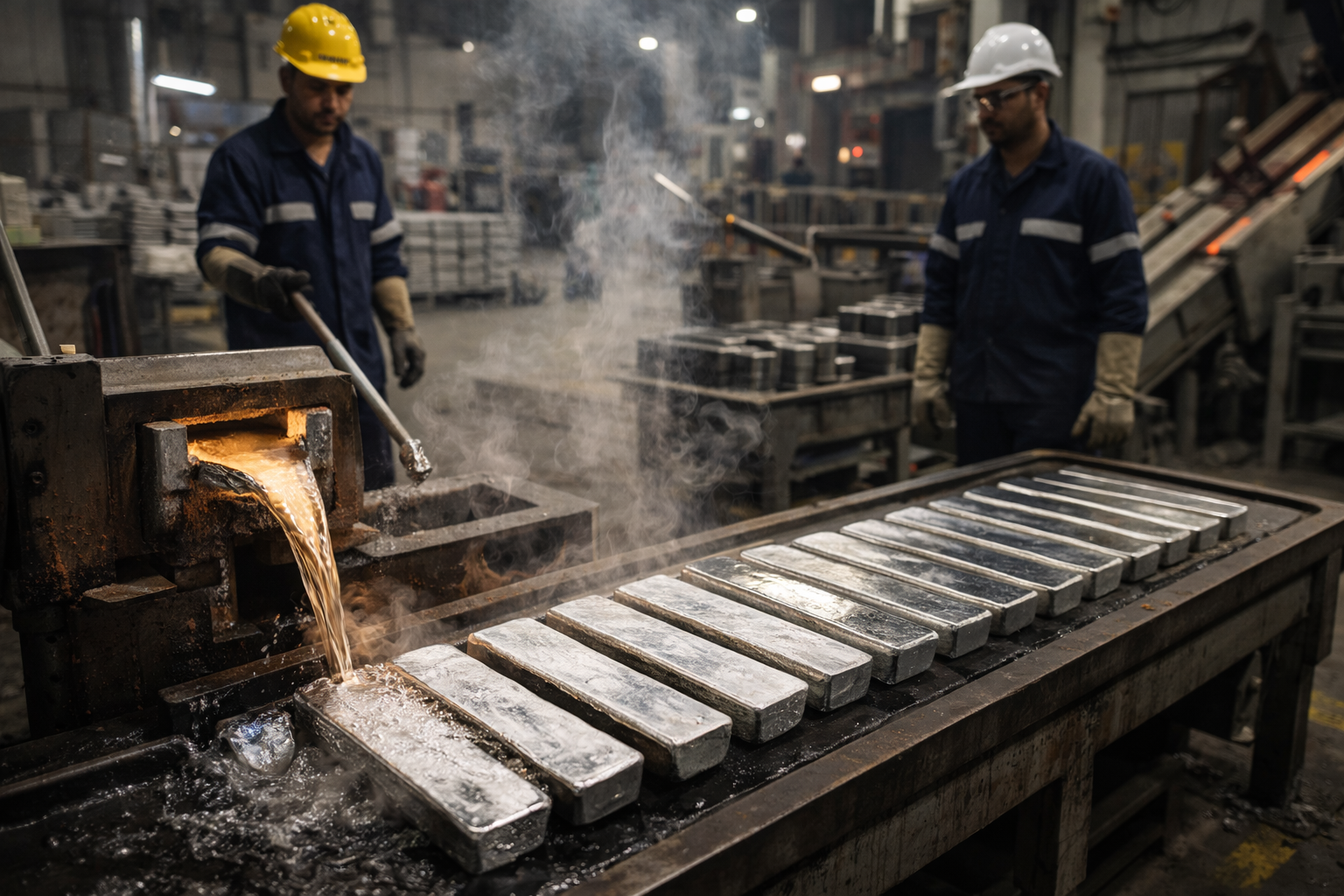
Silver extended its decline for a third consecutive session on Monday, with XAG/USD trading around $74.20 per troy ounce during Asian hours.
Investors reacted to India’s surprise restrictions on silver imports, rising expectations of another Federal Reserve rate hike and weaker investment demand projections from UBS.
The precious metal also came under pressure from a stronger US Dollar and broader risk aversion across financial markets as geopolitical tensions in the Middle East continued to unsettle investors.
India import clampdown hits market sentiment
India announced a near-total curb on silver imports late on Friday in a move aimed at easing pressure on the rupee and boosting domestic supply.
The restrictions are expected to tighten local availability of imported silver, potentially lifting domestic premiums and supporting local prices in the near term.
However, the move is widely seen as bearish for global silver prices given India’s importance as one of the world’s largest consumers of the metal.
Analysts said the absence of Indian import demand could weigh heavily on international markets at a time when sentiment toward industrial metals is already weakening.
While local traders may benefit from tighter supply conditions and stronger premiums, the broader global market is likely to feel the impact through softer overall demand.
Fed hike fears strengthen dollar
Silver was also pressured by rising expectations that the Federal Reserve may tighten monetary policy further later this year.
Markets are increasingly pricing in the possibility of a December US rate increase as higher energy prices and geopolitical tensions threaten to keep inflation elevated.
Recent comments from several Federal Reserve officials reinforced the view that policymakers remain focused on controlling inflation and are prepared to keep rates higher for longer if necessary.
The prospect of tighter monetary policy lifted the US Dollar, making dollar-denominated commodities such as silver more expensive for overseas buyers.
Higher interest rates also tend to reduce the appeal of non-yielding assets like precious metals by increasing the opportunity cost of holding them.
UBS cuts demand outlook
Adding to the bearish tone, analysts at UBS lowered their outlook for global silver investment demand and reduced forecasts for the market deficit.
The bank now expects the global silver deficit to narrow to between 60 million and 70 million ounces, down from previous estimates of around 300 million ounces.
UBS said weaker industrial demand and a rise in newly mined silver supply had significantly altered the market balance that previously supported bullish expectations for higher prices.
According to the bank, increased mine production has offset softer industrial demand, reducing fears of a severe supply shortage that had helped support silver prices earlier in the year.
The downgrade undermined one of the key bullish arguments for silver — the prospect of sustained structural scarcity.
Geopolitical tensions add to volatility
Broader market sentiment remained fragile amid ongoing geopolitical tensions involving the Strait of Hormuz, Iran and Taiwan.
Public warnings from US President Donald Trump to Iran and concerns over supply disruptions in global energy markets fuelled wider risk aversion across asset classes.
Ordinarily, heightened geopolitical uncertainty can boost safe-haven demand for precious metals.
However, analysts said silver’s heavy industrial exposure left it more vulnerable to concerns over slowing global growth and weaker manufacturing activity.
Unlike gold, silver derives a substantial share of its demand from industrial applications including electronics, solar panels and manufacturing, making it especially sensitive to economic conditions.
What it means for silver markets
Silver’s dual role as both an industrial metal and a store of value continues to leave it exposed to competing macroeconomic forces.
While geopolitical risks and inflation concerns could offer some support through safe-haven buying, that effect is currently being outweighed by a stronger dollar, tighter monetary policy expectations and weakening industrial demand.
India’s import restrictions may also create longer-lasting distortions in global demand flows if they remain in place for an extended period.
For now, traders are expected to remain focused on Federal Reserve policy expectations, movements in the dollar and any further signs of slowing industrial activity.
With investment demand weakening and supply concerns easing, the near-term outlook for silver prices remains under pressure despite elevated geopolitical tensions.
The post Silver falls again: are Fed rate fears about to hit prices harder? appeared first on Invezz
