
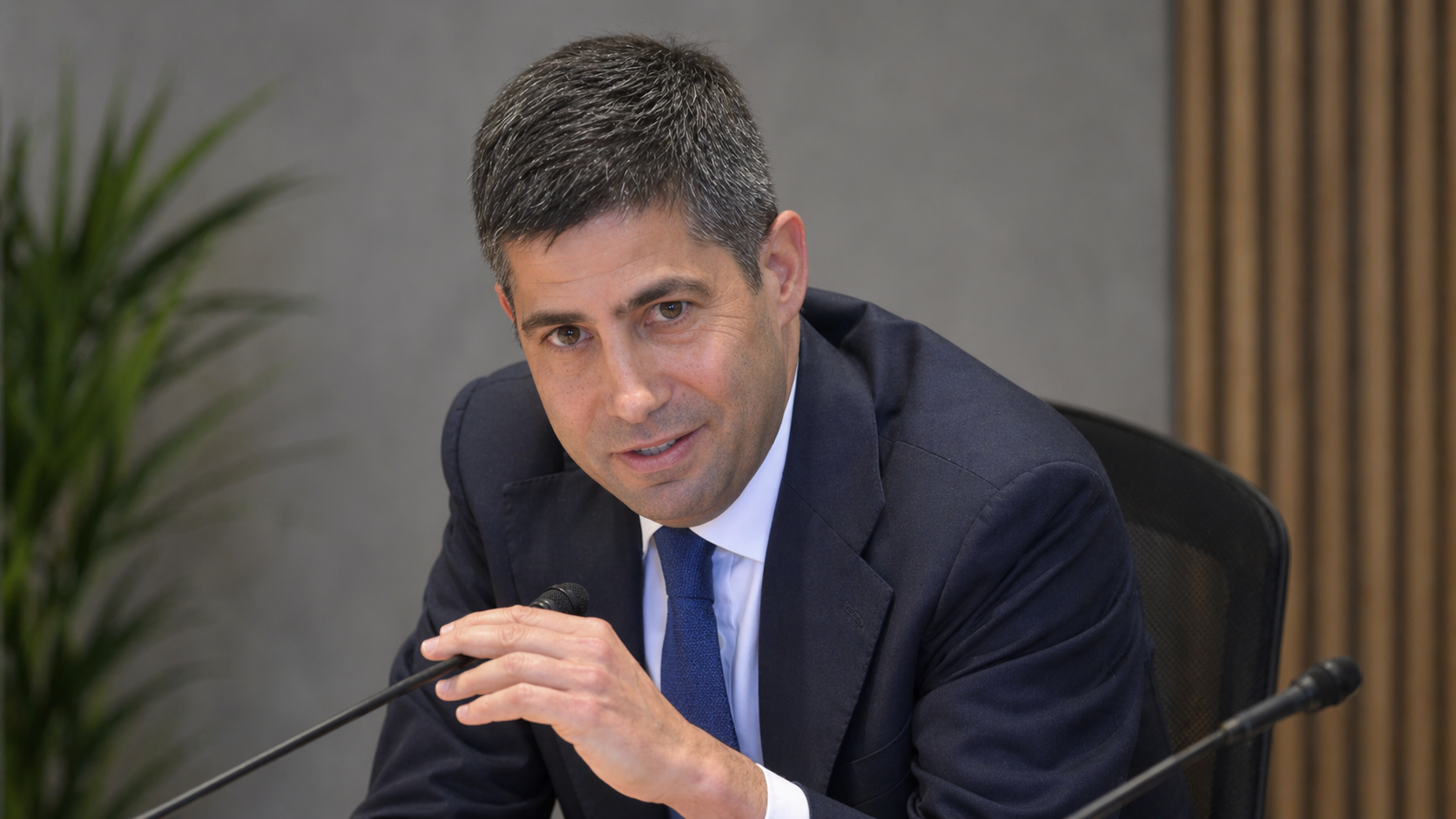
The US Senate on Tuesday confirmed Kevin Warsh to a 14-year term as a governor at the Federal Reserve.
This vote clears a major hurdle toward his expected appointment as the central bank’s next chair.
The nomination passed by a 51-45 vote, with Democratic Senator John Fetterman joining Republicans in supporting the confirmation.
The Senate also moved forward on Warsh’s separate nomination for a four-year term as Fed chair, beginning the procedural process that could lead to final approval as soon as Wednesday.
Current Fed Chair Jerome Powell is set to see his term as chair expire on Friday.
Fed leadership shift comes amid political pressure
Warsh’s elevation comes at a politically sensitive moment for the central bank as tensions grow between the Fed and the administration of Donald Trump over interest-rate policy.
Trump has repeatedly pushed for aggressive rate cuts and has sharply criticized Powell over the Fed’s reluctance to ease monetary policy amid persistent inflation pressures.
The administration’s broader pressure campaign has raised concerns among economists and policymakers about the independence of the central bank.
Those concerns intensified after attempts to remove Fed Governor Lisa Cook became tied up in litigation now before the US Supreme Court.
The Justice Department also previously investigated Powell over management of the Fed’s building renovation project, though that investigation was later dropped.
Powell has indicated he intends to remain on the Fed Board after stepping down as chair — an unusual move widely interpreted as an effort to defend institutional independence amid what he described as mounting legal and political pressure on the central bank.
Warsh signals major policy changes
Warsh, a former Fed governor, lawyer and financier, has indicated he intends to pursue significant changes at the central bank if confirmed as chair.
He has called for what he described as “regime change” at the Fed, including tighter coordination with the Treasury Department and the Trump administration on broader economic policies.
Warsh has also advocated shrinking the Fed’s balance sheet more aggressively, arguing that doing so could eventually allow for lower policy interest rates.
His views contrast with the more cautious approach adopted by Powell and much of the current Federal Open Market Committee.
The Fed currently maintains its benchmark interest-rate target in a range of 3.50% to 3.75%.
Inflation and oil shock complicate outlook
Warsh’s arrival comes as the Fed faces a complicated inflation backdrop tied partly to surging energy prices following the Iran conflict.
Higher oil prices have reignited inflation concerns and reduced investor expectations for rate cuts later this year.
Financial markets are now pricing in roughly a one-in-three chance of a rate increase by December rather than rate reductions.
The central bank’s policy meeting scheduled for June 16–17 is expected to be the first chaired by Warsh if his leadership nomination is approved this week.
While the Fed chair is widely viewed as the most influential voice in US monetary policy, the position holds only one vote among the 12 voting members of the Federal Open Market Committee, which sets interest rates.
The post US Senate confirms Kevin Warsh to Fed Board appeared first on Invezz
