
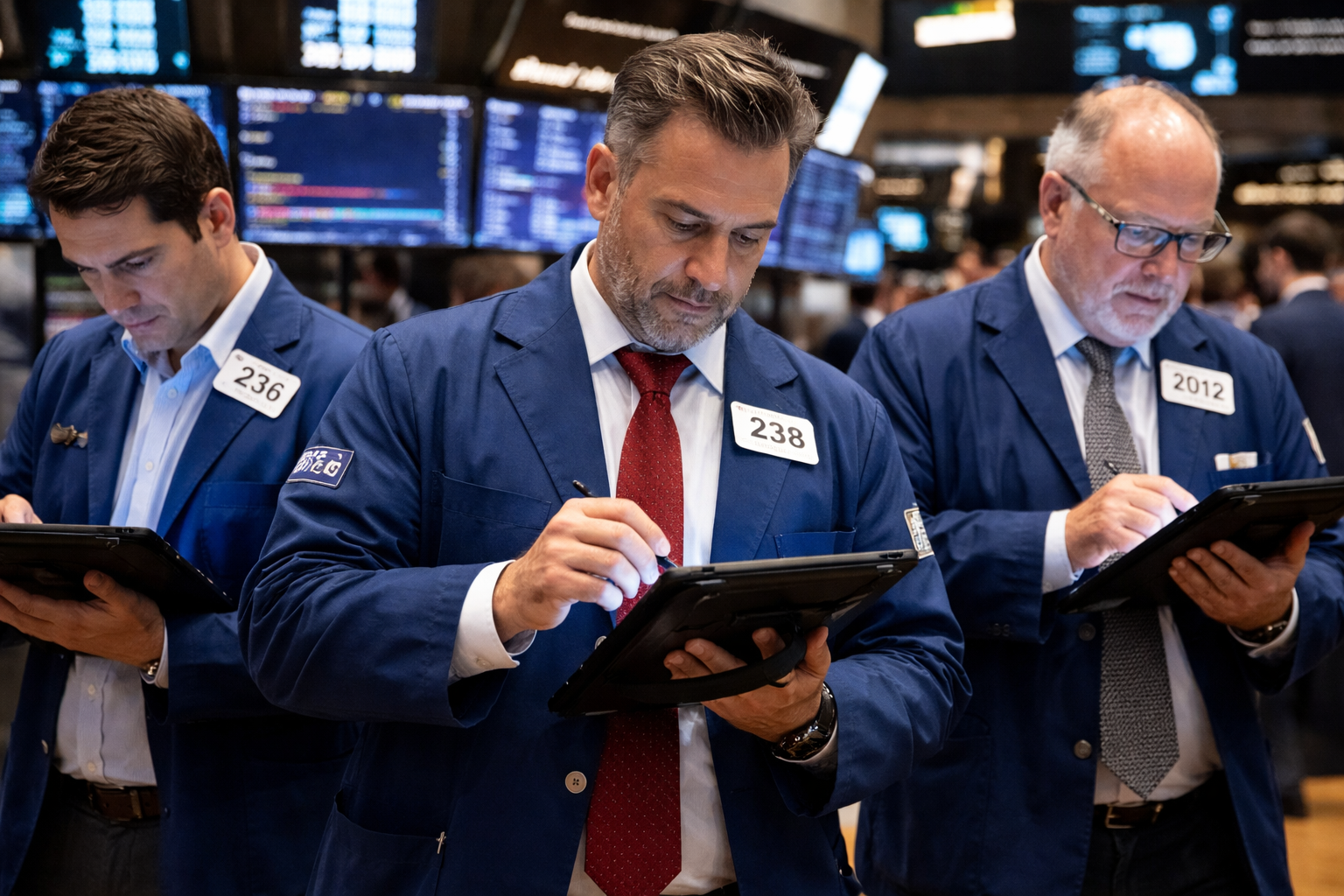
Wall Street’s main indexes closed lower on Monday as escalating tensions in the Middle East pushed oil prices higher, raising concerns about global stability and economic fallout.
The Dow Jones Industrial Average fell 557.37 points, or 1.13%, while the S&P 500 declined 0.41%.
The Nasdaq Composite slipped 0.19%, pulling back after recent record highs driven by strong first-quarter earnings.
The downturn came as geopolitical risks intensified following reports that the United Arab Emirates intercepted missiles fired from Iran.
The development marked the first activation of the UAE’s missile alert system since a US-Iran ceasefire began last month.
Oil prices reacted sharply to the escalation. US West Texas Intermediate crude futures rose about 4% to trade above $106 per barrel, while international benchmark Brent crude climbed nearly 6% to exceed $114.
Energy prices had already been climbing earlier in the session amid conflicting reports surrounding an alleged Iranian attack on a US warship near the Strait of Hormuz, a critical global energy chokepoint.
Conflicting reports deepen uncertainty
Investor caution was amplified by a stream of conflicting reports from the region.
Iranian media claimed that missiles struck a US warship near Jask island, while Iran’s Navy said it had blocked “American-Zionist” vessels from entering the area.
However, US Central Command denied those claims, stating that “no US Navy ships have been struck.”
At the same time, additional incidents added to market unease.
Reports indicated that a South Korean merchant ship was hit by an explosion in the Strait of Hormuz, reinforcing concerns that commercial shipping routes remain vulnerable despite recent diplomatic efforts.
The renewed instability follows a period of optimism last week, when both the S&P 500 and Nasdaq Composite reached record highs on the back of stronger-than-expected earnings.
The situation has also underscored the importance of the Strait of Hormuz, through which a significant share of global oil and liquefied natural gas flows, making it a focal point for market risk.
Policy response and corporate moves in focus
Amid the escalating tensions, US President Donald Trump announced a new initiative, “Project Freedom,” aimed at helping cargo ships navigate the strait safely.
“I have told my Representatives to inform them that we will use best efforts to get their Ships and Crews safely out of the Strait,” Trump said. “In all cases, they said they will not be returning until the area becomes safe for navigation, and everything else.”
However, details on how the operation would be implemented remain limited, contributing to ongoing uncertainty about its effectiveness.
Market participants are also weighing broader implications for the economy and corporate earnings.
Despite recent strength in first-quarter results, concerns are growing that sustained high energy prices could pressure margins and consumer demand.
At the corporate level, logistics stocks came under heavy pressure after Amazon announced plans to expand its supply chain services to third-party businesses.
Shares of FedEx and United Parcel Service dropped sharply, dragging the Dow Jones Transportation Average to its lowest level in nearly a month.
Meanwhile, shares of GameStop declined, while eBay rose following news of a proposed $56 billion acquisition bid.
Despite the day’s losses, some investors remain cautiously optimistic about the broader outlook.
Strong earnings growth—expected to reach 28% year-over-year for the first quarter, according to LSEG I/B/E/S—continues to provide underlying support.
Still, with geopolitical risks escalating and energy markets under strain, the near-term direction for equities is likely to remain closely tied to developments in the Middle East.
The post Dow sinks 550 points as oil spike fuels Middle East fears appeared first on Invezz
